There are many different types of websites and their uses; and while any attempt to categorize them is bound to be imperfect, there are some broad types based on their purpose and the type of organization they are created for.
Check out this article right now to explore 3 different types of eCommerce websites below here!
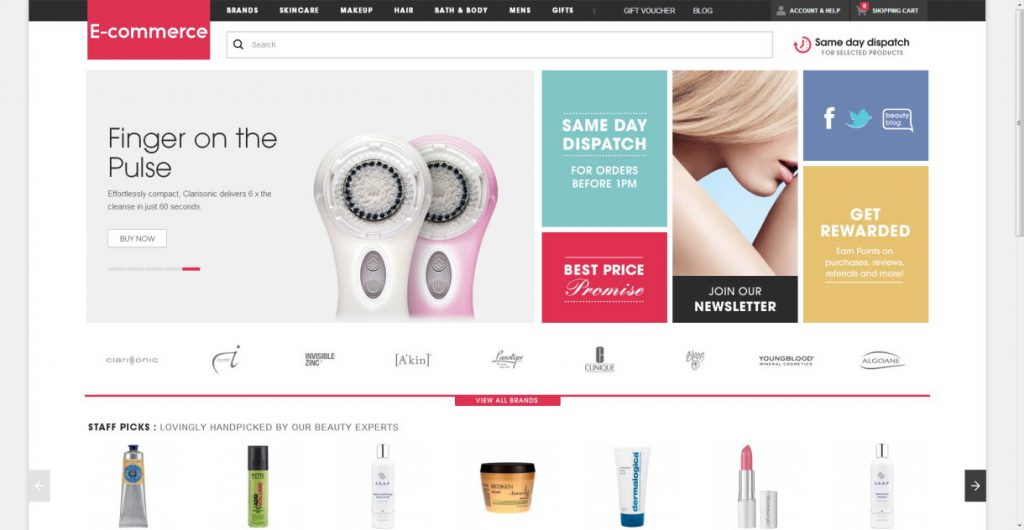
When it comes to eCommerce websites, do you know that they are also divided into different categories?
Online retailers (a selected number of sellers)
The next one in this list of 3 different types of eCommerce websites is online retailers. Not like the first one, online retailers sell the goods, products, and services of different brands and sellers, instead of just only one like the individual brand websites do.
Think of Macy’s as a very good example of this. Macys.com is an online destination for customers to shop for many different types of products, from home goods, to fashion clothing, accessories, and so on. Of course, the products displayed on Macys.com come from various brands in the world.
Another example of this type of eCommerce website is Dick’s Sporting Goods (dicksportinggoods.com). It’s a place to shop for different types of sporting goods and outdoor apparel from a wide range of brands like Nike, Adidas, Reebook, Patagonia, and more.
Online retailers sell the goods, products, and services of different brands and sellers

Individual brand websites (one seller)
The first one that we want to introduce to you is the individual brand websites.
Well, individual brand websites, or single brand websites, or vendor-specific eCommerce websites, like its name suggests, are sites selling the products and services of just one person or one business. In fact, a very large portion of eCommerce websites available out there falls into this category. That means it is the most common type of eCommerce site.
As you can guess, an individual Ecommerce site totally belongs to an individual, a single brand, or a single company that is used as an online storefront. Today, a lot of businesses have a website of this type alongside their brick-and-mortar stores to let the customers shop remotely. Good examples of this are worldwide famous brands like Adidas, H&M, Dior, Nordstrom, L’Oreal, and so many, many others.
Building and owning an eCommerce site is not just for big brands and large companies. There are more and more small businesses and even individual entrepreneurs having their own online store or eCommerce site.
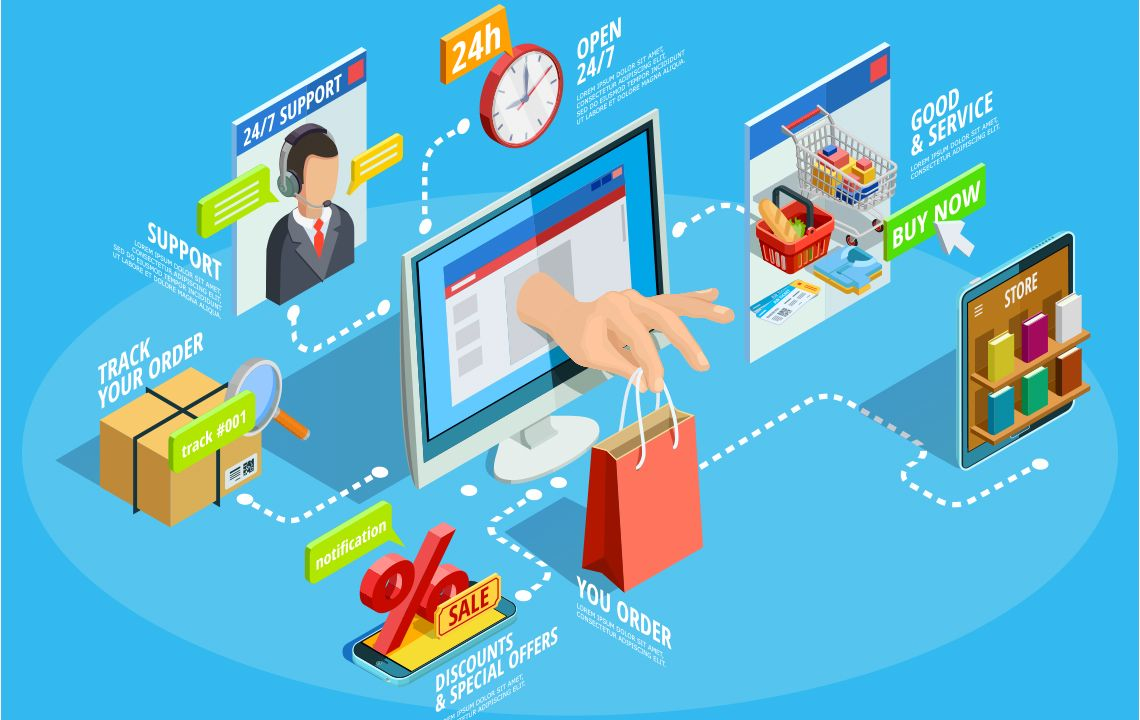
Individual brand websites, online retailers, online marketplaces are 3 major types of eCommerce websites
Online marketplaces (variety of sellers)
The last one of 3 different types of eCommerce websites is online marketplaces. Different from individual brand websites and online retailers, online marketplaces are the places where everyone, including both individual entrepreneurs and companies and brands, can list their products and services for sale.
eBay and Esty are good examples of this type of eCommerce sites. Shopper and sellers can create an account on these websites so easily. After having an account, sellers can start listing and selling their products quite easily. Online marketplaces are not only good places for individual entrepreneurs and small businesses but also for large companies to make use of to sell goods and products.
Of course, these online market places always impose restrictions on what can be sold. And if there is any dispute between shoppers and sellers, they will also step in to resolve it.
Conclusions
These are 3 different types of eCommerce websites that we want to introduce to you in this article. As you can see, individual brand websites, online retailers, and online marketplaces, though each of them come with different features, they are great places for businesses to sell products and services. Well, that’s all for today’s article, hope that this post did provide you with useful and interesting information.
See more:
Comments
Post a Comment